Selected Work

Projects with the thinking behind the work.

A collection of projects that showcase how I approach design, development, and problem-solving. Each project presented different technical and design challenges, but they all share the same goal: creating digital experiences that are fast, intuitive, and built with purpose.

01Understand the problem

Start with people, context, constraints, and the outcome the work needs to support.

02Design with care

Make thoughtful decisions that improve clarity, usability, accessibility, and trust.

03Build to improve

Write maintainable code, test the details, and keep learning from each iteration.

Approach

More than finished projects.

Rather than focusing solely on the final design, I like to document the thinking behind the work: the decisions, trade-offs, and lessons learned along the way.

Three strong stories are more memorable than a long grid of screenshots.

The goal is to show how I understand users, make technical decisions, and explain the reasoning behind the work.

Project

Mill-Max Filter Tool

Making complex product discovery feel simple.
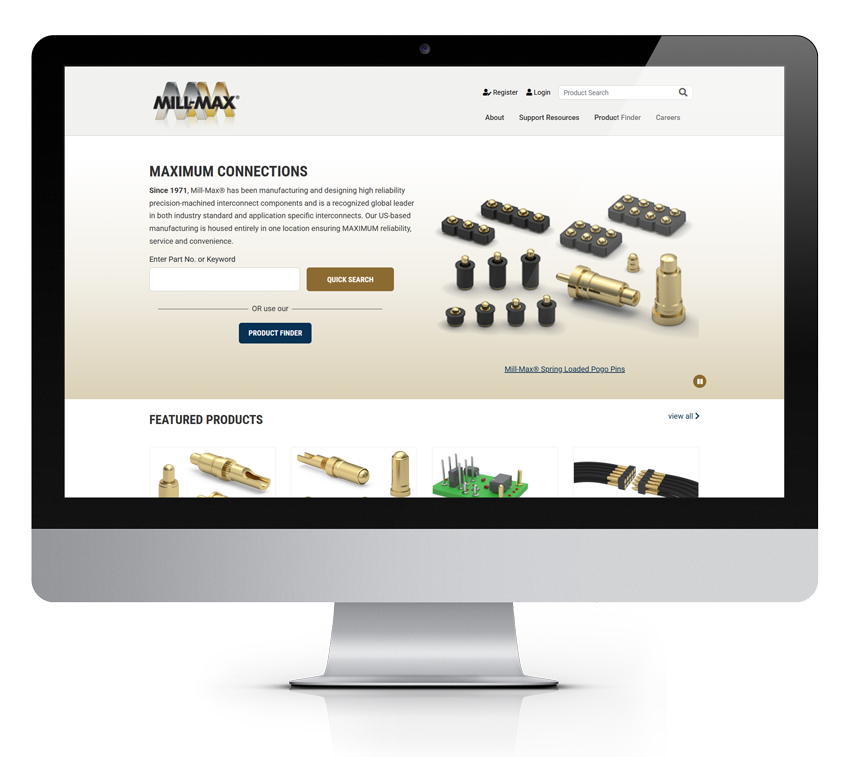
Mill-Max Filter Tool project preview

Overview

Mill-Max manufactures a wide range of precision interconnect components, making it essential for engineers to quickly identify the right part for their specific requirements. The challenge was to create an intuitive filtering experience that simplified product discovery without overwhelming users with technical complexity. The goal was not simply to display data. It was to help users confidently narrow thousands of possible combinations into the right solution.

My Role

The Challenge

Technical product catalogues often become difficult to navigate as they grow. Users are presented with large amounts of information, multiple filter combinations, and complex product specifications, making it easy to feel lost or overwhelmed. The challenge was to design a filtering experience that balanced flexibility with simplicity, allowing users to find relevant products quickly while keeping the interface approachable and easy to understand.

The Approach

Before writing code, I focused on understanding how users interacted with the catalogue and the decisions they needed to make. From there, I designed a filtering experience that progressively narrowed available options, reducing cognitive load while helping users stay oriented throughout the selection process. On the development side, I built reusable components and structured the application so it could evolve alongside future product additions without requiring significant changes to the interface.

Technologies

Key Decisions

  • Designed an intuitive filtering experience for a complex product catalogue.
  • Developed reusable front-end components for consistency and maintainability.
  • Improved navigation through progressive filtering and clear visual hierarchy.
  • Focused on responsive behaviour across desktop and mobile devices.
  • Prioritised accessibility, usability, and performance throughout development.
  • Collaborated closely with stakeholders to refine functionality based on product requirements.

Technical Highlights

Rather than treating the filter as a collection of independent controls, the application dynamically responded to user selections, presenting only the most relevant options at each step. This reduced unnecessary complexity while creating a smoother and more efficient product discovery experience. The application was built with scalability in mind, making it easier to expand the catalogue and introduce additional filtering logic as product offerings evolved.

Outcome

The final product transformed a large and technically detailed catalogue into a focused, guided experience. Users could locate relevant products more efficiently, while the modular architecture provided a solid foundation for future enhancements and ongoing maintenance. While the visual design remained intentionally understated, the strength of the project lies in the interaction design, information architecture, and technical implementation behind the experience.

What I Learned

This project reinforced that good front-end development is about far more than building interfaces. It is about understanding how people process information. By simplifying complex decision-making and designing interactions around user behaviour rather than technical constraints, it is possible to make even highly specialised tools feel approachable and intuitive.
Project

Entenmann's

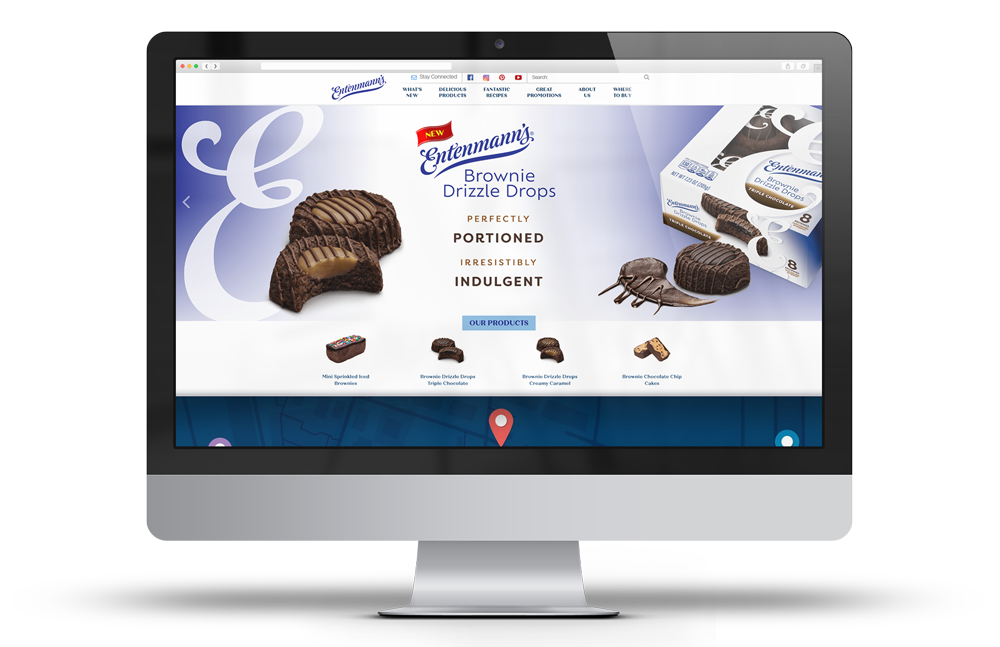
A promotional website experience for a bakery brand, focused on seasonal campaigns, responsive design, and performance.

Entenmann's project preview

Overview

Entenmann's required a promotional website that could support seasonal campaigns while maintaining a fast, responsive experience across desktop and mobile devices. The challenge was to balance marketing requirements with usability and performance without compromising the brand experience.

My Role

The Challenge

The existing experience made it difficult for users to find campaign information quickly, and the interface was not designed with mobile users in mind. Performance and accessibility also needed improvement to support a wider audience.

The Approach

I started by simplifying the information architecture before exploring low-fidelity layouts that prioritised the primary user journeys. Once the structure felt intuitive, I developed responsive components with accessibility and performance built into the process rather than treated as an afterthought.

Technologies

Key Decisions

  • Reduced the number of navigation options to improve usability.
  • Built reusable UI components to make future updates easier.
  • Prioritised performance over unnecessary animations.
  • Designed mobile-first before expanding to larger screens.
  • Used semantic HTML to improve accessibility and SEO.

Outcome

The final product delivered a cleaner, faster, and more intuitive experience that aligned more closely with the brand while providing a stronger foundation for future marketing campaigns.

What I Learned

For this project I was reminded that the best technical solution is not always the most complex one. Spending more time understanding the problem upfront resulted in fewer design revisions and a smoother development process.

Project

Little Bites

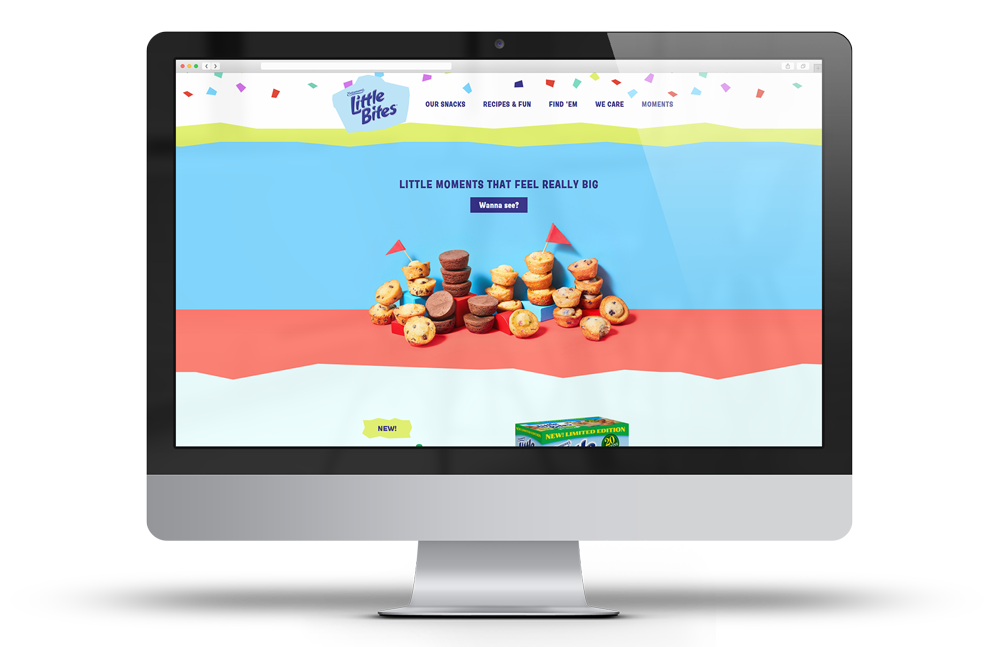
A product-led brand website with responsive front-end templates and CMS-friendly content sections.

Little Bites project preview

Overview

Little Bites needed a digital experience that could feel playful and product-focused while still making information easy to browse, update, and scale across campaign pages.

My Role

The Challenge

The product experience needed to support different user needs at once: quick product discovery, brand storytelling, campaign content, and easy content management without adding unnecessary complexity for visitors.

The Approach

I focused on reusable page patterns, clear content hierarchy, and responsive layouts that worked well on smaller screens first. The implementation balanced brand personality with practical CMS structures so the site could continue evolving after launch.

Technologies

Key Decisions

  • Kept page structures modular so content could be reused across campaigns.
  • Made product information scannable before adding supporting brand detail.
  • Used consistent spacing and hierarchy to keep playful visuals from becoming confusing.
  • Protected mobile usability by keeping key actions and content easy to reach.
  • Kept the front-end implementation maintainable for future updates.

Outcome

The work helped create a smoother browsing experience for families and gave the brand a more maintainable foundation for product content and campaign storytelling.

What I Learned

This project reinforced how small layout and interaction decisions can make a large consumer website feel simpler, calmer, and easier to navigate.

End of page

More than finished projects.

Every project represents an opportunity to learn something new. I'm always exploring better ways to design interfaces, write maintainable code, improve performance, and build products that are genuinely enjoyable to use.

If you'd like to know more about any of these projects, or discuss how I approach front-end development and product thinking, I'd be happy to chat.